NEW
Operational English for Airside Drivers - Recurrent Course

According to ADR.OPS.B.029 (d), the language proficiency shall be re-assessed after four years, for demonstrated operational level, or respectively every six years for demonstrated extended level. Therefore, this course is intended for candidates who have already demonstrated a proficient English level within the initial course.
Safe and efficient airside operations rely on clear, standardised and unambiguous communication. Runway incursions are a top risk in aviation, many incidents have shown that misunderstandings in radio communication remain a major contributing factor. By introducing ADR.OPS.B.029 language proficiency requirements, related to vehicle drivers on the manoeuvring area, EASA requires a structured, safety-oriented communication training in English language. This course responds directly to these operational and regulatory challenges by providing a targeted Aviation English training specifically designed for airside drivers
The framework of the course is based on ICAO standards, including ICAO Language Proficiency requirements, and fully aligns with EASA ADR.OPS.B.029 as well as the associated Acceptable Means of Compliance (AMC) and Guidance Material (GM). It integrates elements of Evidence-Based Training (EBT), ensuring a high level of practical relevance by using real communication errors, incident reports and operational scenarios.
Participants will work through the core areas of airside communication, including standard phraseology, vocabulary for apron, taxiway and runway operations, situational radio procedures and communication in non-standard or stressful conditions. Methodologies include interactive group work, realistic audio examples, scenarios and simulation-based exercises.
After completing the course, participants will be able to apply ICAO-compliant phraseology, manage unexpected linguistic challenges and demonstrate operational English skills equivalent to ICAO Level 4. The course is suitable for all airside drivers operating on apron, taxiway and runway areas.
 Training 5 or more people? Ask for an In-house course at your premises or online!
Course Details
Location:In-houseLanguage:English
Duration:1 days
Provider:airsight GmbH
Course Content
Regulatory framework
- ICAO Language Proficiency Requirements
- EASA ADR.OPS.B.029 and related AMC/GM
Language in safety and incident prevention
- Communication as a contributing factor in runway incursions
- Real cases from ECCAIRS and international databases
Vocabulary and terminology for airside operations
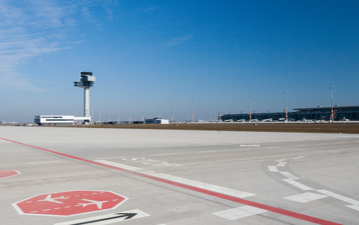
- Apron, taxiway, runway
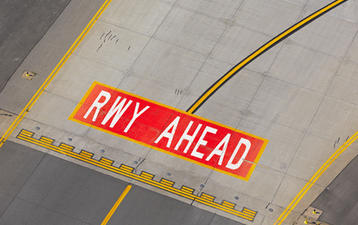
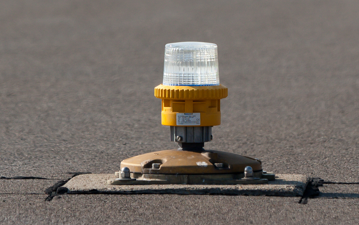
- Markings, signs, equipment and hotspots
ICAO ground phraseology
- Standard calls, readback and hearback
- Taxi, hold, cross, position reporting
- Non-standard and emergency phrases
Communication strategies
- Clarity, brevity, confirmation
- Handling unclear or conflicting instructions
- Managing overloaded frequencies
Scenario-based communication exercises
- Simulations with ATC-style interactions
- Stress situations, unexpected developments
- Error analysis and debriefings
Free speaking and fluency development
- Spontaneous dialogues
- Role play and guided speaking tasks
Assessment & optional ICAO Level 4 examination
- Written, listening and oral components
- Full ADR.OPS.B.029 compliance (optional exam module)
Trainer
Aviation English Specialist
The training is conducted in cooperation with Volando and will be given by an experienced Aviation English specialist with an operational background. The trainers specialise in communication training, phraseology and safety management. With international experience and a strong focus on Evidence-Based Training, they have supported multiple customers in implementing Aviation English training programmes. Their extensive experience in workshops, scenario-based training and language assessments ensures a practical and operationally relevant learning experience.
Target Group
- Airside drivers (apron, taxiway, runway), notably those falling under ADR.OPS.B.024 Authorisation of vehicle drivers who have already demonstrated to be proficient in English and have completed the initial course.
- Airport operations and safety personnel
- Follow-me staff, apron supervision
- Deicing personnel
- Pushback driver
- Fire brigade
- Technical units operating airside
Organisational Details
airsight offers this training course on request, worldwide. At the end of the course, all participants will receive an airsight certificate based on EASA training regulations, which is highly recognised throughout the aviation industry.
About airsight Training

airsight Training course quality
airsight operates an ISO 9001 certified Quality Management System and pursues the objective to provide high quality services that fully meet the clients’ needs.