Airport Emergency Planning and Crisis Management

Every airport must have an effective Aerodrome Emergency Plan in place to ensure a coordinated response in the event of an aircraft accident, security incident, natural disaster, public health emergency, or any other event that may compromise the safety and continuity of airport operations. Effective emergency preparedness requires more than documented procedures. It relies on clear roles and responsibilities, adequate resources, robust multi-agency coordination, and continuous training and exercising.
This interactive course provides a structured and practical understanding of airport emergency planning, emergency response management, and crisis management, based on ICAO, EASA, and international best practices. Participants will learn how to identify and assess emergency scenarios, conduct Safety Assessments, develop and maintain an Aerodrome Emergency Plan, manage crisis communication, and organise effective family assistance arrangements following a major occurrence.
Through practical exercises, workshops, and real-world case studies, attendees will gain a comprehensive understanding of how different stakeholders should prepare for and respond to emergency situations. The course also provides practical tools to enhance organisational resilience, improve decision-making processes, and support the continuous improvement of emergency preparedness arrangements.
This course is intended for airport operators, air navigation service providers, civil aviation authorities, rescue and firefighting services, ground handling organisations, and all personnel involved in the planning, coordination, and management of airport emergencies.
 Training 5 or more people? Ask for an In-house course at your premises or online!
Course Details
Location:In-houseLanguage:German / English
Duration:3 days
Provider:airsight GmbH
Course Content
Fundamentals and Regulatory Framework
- Emergency management, crisis management and business continuity
- ICAO Annex 14 and ICAO Doc 9137 Part 7
- EASA Regulation (EU) No 139/2014
- ADR.OPS.B.005 Aerodrome Emergency Planning
- Airport stakeholder roles and responsibilities
- Airport emergency response system
Safety Assessment and Scenario Identification
- Identification of emergency scenarios
- Risk assessment methodologies
- Emergency classification and response levels
- Scenario prioritisation
- Operational impact assessment
- Response capability assessment
Emergency Response Planning
- Emergency response resources and capabilities
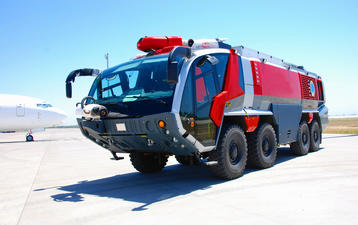
- Rescue and Fire Fighting Services (RFFS)
- Medical and technical emergency response
- Command and control principles
- Multi-agency coordination
- Resource mobilisation and management
Aerodrome Emergency Plan
- Structure of the Aerodrome Emergency Plan
- Operational procedures and responsibilities
- Human factors in emergency management
- Checklists and decision-support tools
- Integration with other emergency and contingency plans
- Plan review and continuous improvement
Crisis Management and Crisis Communication
- Principles of crisis management
- Crisis management team organisation
- Information management during emergencies
- Internal communication
- External communication and media relations
- Stakeholder and reputation management
Family Assistance Planning
- Regulatory requirements and international best practices
- Assistance to victims and family members
- Stakeholder roles and responsibilities
- Coordination with airline operators
- Psychological, cultural and religious considerations
- Family Assistance Centre organisation
Training, Testing and Exercises
- Training requirements and competency development
- Types of emergency exercises
- Table-top exercises
- Partial and full-scale exercises
- Exercise evaluation and lessons learned
- Continuous improvement processes
Practical Exercises and Case Studies
- Analysis of real-life occurrences
- Scenario-based workshops
- Emergency response simulations
- Results evaluation
- Development of corrective and improvement actions
Trainer
Andrea Carraretto
Andrea Carraretto holds a degree in Aeronautical Transport Sciences and Technologies. He also holds a private pilot license for aircraft and has experience as a teacher both in academic institutions and at airport operators, where he served as an instructor or ground operations.
Andrea has been involved in the management of operational activities aimed at enhancing safety levels and operational efficiency. He has collaborated in modernizing and improving operational systems.
Andrea has collaborated with senior management at the international airport, contributing as auditor to the execution of compliance monitoring, conducting surveys on ground operations and participating in the development of emergency response planning. Since 2024, he has been a part of the airsight Italy team as a Senior Consultant.
Target Group
- Aerodrome emergency planners
- Aerodrome operations operatives and management
- Aerodrome planning and development staff
- ATC staff, including management
- Civil Aviation Authorities staff
- Aerodrome inspectors and regulators
- Public authorities involved in airport operations
Organisational Details
airsight offers this training course on request, worldwide. At the end of the course, all participants will receive an airsight certificate based on EASA training regulations, which is highly recognised throughout the aviation industry.
About airsight Training

airsight Training course quality
airsight operates an ISO 9001 certified Quality Management System and pursues the objective to provide high quality services that fully meet the clients’ needs.