Optimization of an Airport’s Pushback Procedures

Introduction
Airports are under increasing pressure to enhance operational efficiency and reduce ground congestion. In this regard airsight has been commissioned to assess and improve pushback procedures at an international airport. Key recommendations included an optimization of ground markings to streamline pushback manoeuvres as well as the implementation of a triple lane concept on the airport’s main apron areas.
Optimizing Pushback Procedures and Related Ground Markings
At first, existing pushback procedures have been analyzed in detail to identify potential for improvement. The location of dedicated push limits and tug release points was optimized to ensure unhindered traffic flows taking into consideration the mix of aircraft types using the airport’s apron areas.
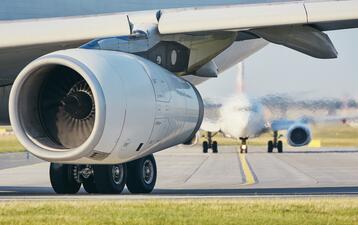
In addition, potential jet blast effects on adjacent apron areas and aircraft stands resulting from an increased engine thrust setting needed to accelerate the aircraft after pushback have been taken into consideration when locating tug release points.
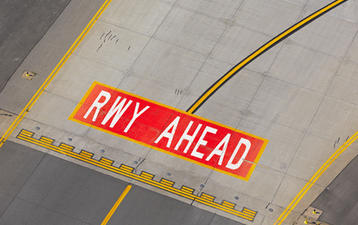
Eventually, given ground markings and associated procedure documentations were adjusted to ensure proper application of pushback manoeuvres.
Implementing the Triple Lane Concept
As air traffic grows, airport operators seek ways to enhance ground capacity without expanding the apron area’s footprint. With the implementation of a triple lane concept taxilanes designed for widebody aircraft (code E/F, e.g. B777 or A380) are reconfigured to improve efficiency, flexibility, and safety. This layout caters for simultaneous movement of smaller aircraft (typically code C aircraft, e.g. A320 and B737), reduces congestion, and minimizes delays.
Key Benefits
- Increased Apron Capacity: The triple lane system enables more efficient aircraft movements, reducing congestion and improving traffic flow.
- Enhanced Operational Flexibility: The layout allows dynamic allocation of lanes based on aircraft type and real-time traffic conditions, improving adaptability without compromising safety.
- Reduced Pushback Blockages: The triple lane system minimizes conflicts caused by pushback operations, reducing delays and idle times.
If you too need support to assess existing pushback procedures or evaluate the implementation of a triple lane concept, please feel free to contact us via e-mail our through our website.
Key Facts