Root Cause Analysen für Flughäfen

Im Flugbetrieb treten Probleme selten plötzlich auf. Lange bevor ein Vorfall, eine Störung oder eine Nichtkonformität sichtbar wird, zeigen sich erste Hinweise – beispielsweise Audit Findings, Beobachtungen, wiederkehrende Abweichungen oder Meldungen sicherheitsrelevanter Ereignisse. Werden diese Signale mithilfe einer strukturierten Root Cause Analysis (RCA) untersucht, lassen sich zugrunde liegende Schwachstellen in Prozessen, Ressourcen und operativen Schnittstellen erkennen.
Root Cause Analysen sind eine zentrale Anforderung innerhalb des luftfahrtrechtlichen Regelwerks und unterstützt sowohl das Compliance Monitoring als auch Safety Management Systeme (SMS). Vorschriften wie (EU) Nr. 139/2014 und (EU) Nr. 376/2014 fordern die Identifikation von Ursachen, die Analyse von Ereignissen sowie die Umsetzung wirksamer Corrective Actions. Dieser Ansatz findet sich auch in angrenzenden Bereichen wie ATM/ANS, Ground Handling, Informationssicherheit sowie in ICAO Annex 19 und ACI Guidance wieder.
In der Praxis wird RCA über das gesamte operative Spektrum hinweg angewendet – von proaktivem Compliance Monitoring und Audits bis hin zur Analyse von Occurrences und Safety Investigations. Dieser zweitägige Kurs vermittelt die notwendigen Grundlagen und praktischen Fähigkeiten, um Root Cause Analysis sowohl im Compliance- als auch im Safety-Kontext anzuwenden.
Die Teilnehmenden lernen, Sicherheitsereignisse und betriebliche Vorkommnisse systematisch zu analysieren und die zugrunde liegenden Ursachen zu verstehen. Der Kurs stärkt insbesondere das analytische und investigative Denken im Umgang mit komplexen luftfahrtbezogenen Systemen. Ein weiterer Schwerpunkt liegt auf der Anwendung von RCA im Audit- und Compliance-Kontext, insbesondere bei der Analyse von Findings, Non-compliances und operationalen Abweichungen.
Es wird gelernt, operative, technische, organisatorische und menschliche Einflussfaktoren zu identifizieren, systemische Zusammenhänge zu erkennen und sicherzustellen, dass Corrective Actions die tatsächlichen Ursachen adressieren – und nicht nur Symptome behandeln. Dadurch wird eine konsistente Anwendung von RCA in verschiedenen operativen Kontexten ermöglicht, die Entscheidungsfindung verbessert und die nachhaltige Vermeidung von Wiederholungen unterstützt.
Voraussetzungen
Grundkenntnisse in einem oder mehreren der folgenden Bereiche sind empfehlenswert: Flugplatzbetrieb, Compliance Monitoring, Safety Management System (SMS), Occurrence Reporting oder Investigation, Informationssicherheit oder Ground Handling. Vorerfahrung in Audits, Safety Analysis oder Investigations ist von Vorteil, jedoch keine Voraussetzung.
 10% Frühbucherrabatt auf alle öffentlichen Kurse im Jahr 2027. Nur gültig bis 31.01.2027!
 Sie wollen 5+ Teilnehmer anmelden? Fragen Sie nach einem In-House-Kurs an Ihrem Standort oder online!
Kursinfo
Ort:BerlinSprache:Englisch
Datum:07.12. - 08.12.2027
Dauer:2 Tage
Anbieter:airsight GmbH
Kursgebühr
Für Kurse in Berlin:
Allen Kunden werden 19% Mehrwertsteuer berechnet. Für mehr Informationen besuchen Sie bitte die englischsprachige About Taxes Seite.
Der Endpreis wird auf Ihrer Rechnung ausgewiesen.
Hinweis: Wenn Sie mehrere Teilnehmer anmelden wollen, aber einzelne Rechnungen für jeden benötigen, melden Sie bitte jeden Teilnehmer separat an.
Die Online-Anmeldung richtet sich an Unternehmen, Behörden und Organisationen. Wenn Sie als Privatperson teilnehmen möchten, kontaktieren Sie uns bitte unter training@airsight.de.
Inhalt
Compliance Findings als Indikatoren für systemische Schwächen
- Rolle des Compliance Monitoring bei der Identifikation operativer Schwächen
- Audit Findings, Beobachtungen und Abweichungen als Frühindikatoren für Risiken
- Nutzung von Compliance Monitoring zur proaktiven Unterstützung des Safety Managements
Verständnis von Findings und Safety Signals
- Observations, Findings, Non-compliances, Abweichungen und Occurrences
- Von Findings zu Ursachen: Symptome, contributing factors und root causes
- Lineares vs. systemisches Denken
- Aktive Fehler und latente Bedingungen
- Nutzung von Occurrence Data zur Identifikation von Mustern und Schwachstellen
Analyse von Ursachen im Flugplatzbetrieb
- Anwendung grundlegender RCA-Prinzipien im operativen Alltag
- Ursache-Wirkungs-Zusammenhänge in operativen Systemen
- Operative, technische, organisatorische und menschliche Einflussfaktoren
- Schwächen in Prozessen, Schnittstellen, Ressourcen und Safety Barriers
- Differenzierung zwischen immediate causes, contributing factors und root causes
Root Cause Analysis Methoden
- Prinzipien und praktische Anwendung gängiger RCA-Tools
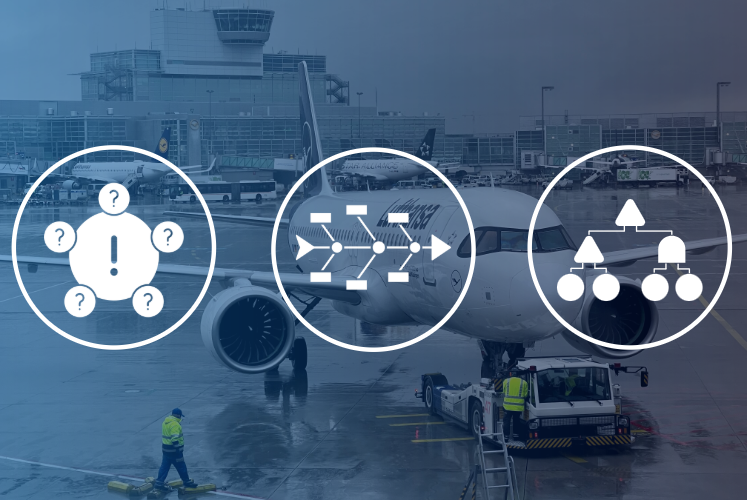
- Five Whys, Fishbone (Cause & Effect) und Fault Tree Analysis
- Auswahl geeigneter Methoden je nach Komplexität
Entwicklung wirksamer Corrective Actions
- Ableitung von Maßnahmen aus Root Causes
- Vermeidung oberflächlicher Maßnahmen (z. B. reine Retrainings)
- Priorisierung basierend auf Risiko und Impact
RCA in Compliance-, Safety- und betrieblichen Kontexten
- Anwendung von RCA auf Findings, Non-compliances und CAPs
- Unterstützung von Occurrence Analysis und Safety Reviews
- Beitrag zu Safety Investigations
- Anwendung im Kontext von Oversight und regulatorischen Anforderungen
Integration in Managementsysteme
- Nutzung von RCA-Ergebnissen zur Verbesserung von Prozessen
- Monitoring der Wirksamkeit von Corrective Actions
- Vermeidung von Wiederholungen durch systemische Verbesserungen
Praktische Anwendung
- Aerodrome-spezifische Szenarien und Fallstudien
- Geführte RCA-Übungen
- Anwendung in Audit-, Operational- und Event-Kontexten
- Bereitstellung relevanter Informationen zur Unterstützung von Investigations
Referenten
Deppy Pantazi
Deppy Pantazi ist eine erfahrene Luftfahrtexpertin mit über 10 Jahren Berufserfahrung im Aviation-Sektor. Ihr Schwerpunkt liegt auf der EASA-Compliance für Flugplätze in organisatorischen, operativen und infrastrukturellen Bereichen. Ihre Expertise verbindet fundiertes regulatorisches Wissen mit einem tiefen Verständnis für Human Factors, Auditor Behaviour und investigative Kommunikation. Dadurch gestaltet sie Trainings, die sowohl fachlich fundiert als auch praxisnah ausgerichtet sind.
Sie ist als Training Instructor durch die International Civil Aviation Organization (ICAO) qualifiziert und verfügt über eine Zertifizierung als ISO 9001:2015 Lead Auditor. Seit 2022 ist sie als Training Instructor bei airsight tätig und führt Kurse in den Bereichen Safety, Compliance, Auditing und Managementsysteme für Luftfahrtfachkräfte in ganz Europa durch. Ein besonderer Fokus liegt dabei auf Audit Methodology, strukturierten Interviewtechniken sowie evidenzbasierter Bewertung, unter Einbeziehung von Ansätzen aus der kriminalistischen Untersuchung und dem investigativen Interviewing.
Ihre fachliche Weiterbildung umfasst unter anderem spezialisierte Trainings in Safety Management Systems (SMS) für Flugplätze, im europäischen Luftfahrtrecht, im Compliance Audit Management sowie im Change Management im Flugplatzumfeld. Akademisch verfügt sie über einen Bachelorabschluss in Soziologie (Schwerpunkt Kriminologie), zwei Masterabschlüsse in Criminal Investigation und Person-Centered Psychotherapy sowie Postgraduate Diplomas in Security Management und Psychologie. Derzeit absolviert sie zusätzlich ein Bachelorstudium in Forensic Psychology.
Zielgruppe
- Safety Manager, Safety Officers und Safety Investigators
- Compliance Monitoring, Quality- und Audit-Professionals (Manager und Auditoren)
- Operative Führungskräfte im Flugplatzbetrieb (z. B. Airside, Apron, Maintenance, Ground Handling)
- Ground Handling Professionals in Operations, Safety Management und Occurrence Reporting
- Mitarbeitende mit Verantwortung für Corrective Action Plans (CAPs)
- Auditees im Umgang mit internen und regulatorischen Audit Findings
- Personen im Bereich Occurrence Reporting, Safety Analysis oder Investigation im SMS
- Fachkräfte aus Informationssicherheit und Risikomanagement
- Vertreter von Luftfahrtbehörden im Bereich Oversight
Veranstaltungsort
Wir bitten die Teilnehmer, ihre Reise- und Hotelbuchungen selbst vorzunehmen. Für eine Unterbringung empfehlen wir unser Tagungshotel. Weitere Hinweise dazu finden Sie in Ihrer Anmeldebestätigung. Wir möchten darauf hinweisen, dass ab Januar 2025 in Berlin eine Übernachtungssteuer (City Tax) von 7,5% auf beruflich und geschäftlich veranlasste Übernachtungen erhoben wird.
Die Kursgebühr umfasst die Teilnahme am Lehrgang, das Kursmaterial sowie für nicht-virtuelle Kurse die Verpflegung während des Lehrgangs (Kaffeepausen und Business Lunch).
Organisatorische Details
Die Tagungszeiten sind wie folgt gestaffelt:
erster Lehrgangstag: 10.00 - 17.00 Uhr
letzter Lehrgangstag: 8.00 - 16.00 Uhr
Die Verpflegung während des Lehrgangs (Kaffeepausen und Business Lunch) ist in der Kursgebühr enthalten. Nach erfolgreicher Kursteilnahme erhalten alle Teilnehmer ein airsight-Zertifikat nach EASA-Trainingsregularien, welches weltweit in der Luftfahrtbranche anerkannt ist.
Über unsere Lehrgänge

Zertifizierte Qualität
airsight verfügt über ein nach ISO 9001 zertifiziertes Qualitätsmanagementsystem, in dessen Mittelpunkt die Maximierung des Kundennutzens steht. Wir arbeiten ständig an Verbesserungen – so auch bei unseren Lehrgängen, die wir auch anhand des Teilnehmerfeedbacks kontinuierlich optimieren.
Kursinfo
Ort:In-houseSprache:Englisch
Dauer:2 Tage
Anbieter:airsight GmbH
Inhalt
Compliance Findings als Indikatoren für systemische Schwächen
- Rolle des Compliance Monitoring bei der Identifikation operativer Schwächen
- Audit Findings, Beobachtungen und Abweichungen als Frühindikatoren für Risiken
- Nutzung von Compliance Monitoring zur proaktiven Unterstützung des Safety Managements
Verständnis von Findings und Safety Signals
- Observations, Findings, Non-compliances, Abweichungen und Occurrences
- Von Findings zu Ursachen: Symptome, contributing factors und root causes
- Lineares vs. systemisches Denken
- Aktive Fehler und latente Bedingungen
- Nutzung von Occurrence Data zur Identifikation von Mustern und Schwachstellen
Analyse von Ursachen im Flugplatzbetrieb
- Anwendung grundlegender RCA-Prinzipien im operativen Alltag
- Ursache-Wirkungs-Zusammenhänge in operativen Systemen
- Operative, technische, organisatorische und menschliche Einflussfaktoren
- Schwächen in Prozessen, Schnittstellen, Ressourcen und Safety Barriers
- Differenzierung zwischen immediate causes, contributing factors und root causes
Root Cause Analysis Methoden
- Prinzipien und praktische Anwendung gängiger RCA-Tools
- Five Whys, Fishbone (Cause & Effect) und Fault Tree Analysis
- Auswahl geeigneter Methoden je nach Komplexität
Entwicklung wirksamer Corrective Actions
- Ableitung von Maßnahmen aus Root Causes
- Vermeidung oberflächlicher Maßnahmen (z. B. reine Retrainings)
- Priorisierung basierend auf Risiko und Impact
RCA in Compliance-, Safety- und betrieblichen Kontexten
- Anwendung von RCA auf Findings, Non-compliances und CAPs
- Unterstützung von Occurrence Analysis und Safety Reviews
- Beitrag zu Safety Investigations
- Anwendung im Kontext von Oversight und regulatorischen Anforderungen
Integration in Managementsysteme
- Nutzung von RCA-Ergebnissen zur Verbesserung von Prozessen
- Monitoring der Wirksamkeit von Corrective Actions
- Vermeidung von Wiederholungen durch systemische Verbesserungen
Praktische Anwendung
- Aerodrome-spezifische Szenarien und Fallstudien
- Geführte RCA-Übungen
- Anwendung in Audit-, Operational- und Event-Kontexten
- Bereitstellung relevanter Informationen zur Unterstützung von Investigations
Referenten
Deppy Pantazi
Deppy Pantazi ist eine erfahrene Luftfahrtexpertin mit über 10 Jahren Berufserfahrung im Aviation-Sektor. Ihr Schwerpunkt liegt auf der EASA-Compliance für Flugplätze in organisatorischen, operativen und infrastrukturellen Bereichen. Ihre Expertise verbindet fundiertes regulatorisches Wissen mit einem tiefen Verständnis für Human Factors, Auditor Behaviour und investigative Kommunikation. Dadurch gestaltet sie Trainings, die sowohl fachlich fundiert als auch praxisnah ausgerichtet sind.
Sie ist als Training Instructor durch die International Civil Aviation Organization (ICAO) qualifiziert und verfügt über eine Zertifizierung als ISO 9001:2015 Lead Auditor. Seit 2022 ist sie als Training Instructor bei airsight tätig und führt Kurse in den Bereichen Safety, Compliance, Auditing und Managementsysteme für Luftfahrtfachkräfte in ganz Europa durch. Ein besonderer Fokus liegt dabei auf Audit Methodology, strukturierten Interviewtechniken sowie evidenzbasierter Bewertung, unter Einbeziehung von Ansätzen aus der kriminalistischen Untersuchung und dem investigativen Interviewing.
Ihre fachliche Weiterbildung umfasst unter anderem spezialisierte Trainings in Safety Management Systems (SMS) für Flugplätze, im europäischen Luftfahrtrecht, im Compliance Audit Management sowie im Change Management im Flugplatzumfeld. Akademisch verfügt sie über einen Bachelorabschluss in Soziologie (Schwerpunkt Kriminologie), zwei Masterabschlüsse in Criminal Investigation und Person-Centered Psychotherapy sowie Postgraduate Diplomas in Security Management und Psychologie. Derzeit absolviert sie zusätzlich ein Bachelorstudium in Forensic Psychology.
Wolfgang Jöres
Auf Grundlage seiner Berufspilotenlizenz und seines Hochschulstudiums ist Herr Jöres seit mehr als 40 Jahren in unterschiedlichen Tätigkeiten, vorwiegend Führungspositionen, in der Luftfahrt erfolgreich aktiv. Nach seiner Offizierszeit bei der Luftwaffe als Einsatzpilot war Herr Jöres zunächst Leiter einer Abteilung, welche die beiden Polarforschungsflugzeuge der Bundesrepublik umrüstete und auf ihren Messeinsätzen betrieb. Danach war er als Geschäftsführer, Betriebsleiter und gleichzeitig Fachbereichsleiter für die Führung der Aufrechterhaltung der Lufttüchtigkeit (CA-Manager) eines Flugbetriebes tätig. Seit 2014 ist Wolfgang Jöres als freiberuflicher Sachverständiger und Berater für Hubschrauberlandeplätze (Onshore/Offshore) sowie als authentifizierter Luftfahrtauditor für EN9100 Qualitätsmanagementsysteme tätig.
Herr Jöres verfügt über Expertenwissen zu den Randbedingungen in der Luftfahrt, sowohl aus operationeller, technischer, betriebswirtschaftlicher und rechtlicher Sicht in den Bereichen Flugzeugumrüstung, Spezialflugbetrieb und Luftverkehrsinfrastruktur.
Zielgruppe
- Safety Manager, Safety Officers und Safety Investigators
- Compliance Monitoring, Quality- und Audit-Professionals (Manager und Auditoren)
- Operative Führungskräfte im Flugplatzbetrieb (z. B. Airside, Apron, Maintenance, Ground Handling)
- Ground Handling Professionals in Operations, Safety Management und Occurrence Reporting
- Mitarbeitende mit Verantwortung für Corrective Action Plans (CAPs)
- Auditees im Umgang mit internen und regulatorischen Audit Findings
- Personen im Bereich Occurrence Reporting, Safety Analysis oder Investigation im SMS
- Fachkräfte aus Informationssicherheit und Risikomanagement
- Vertreter von Luftfahrtbehörden im Bereich Oversight
Organisatorische Details
airsight bietet diesen Lehrgang auf Anfrage als In-House-Schulung an.
Nach erfolgreicher Kursteilnahme erhalten alle Teilnehmer ein airsight-Zertifikat nach EASA-Trainingsregularien, welches weltweit in der Luftfahrtbranche anerkannt ist.
Über unsere Lehrgänge
Zertifizierte Qualität
airsight verfügt über ein nach ISO 9001 zertifiziertes Qualitätsmanagementsystem, in dessen Mittelpunkt die Maximierung des Kundennutzens steht. Wir arbeiten ständig an Verbesserungen – so auch bei unseren Lehrgängen, die wir auch anhand des Teilnehmerfeedbacks kontinuierlich optimieren.